Salsabella Font: Modern Script Typography for Web Design
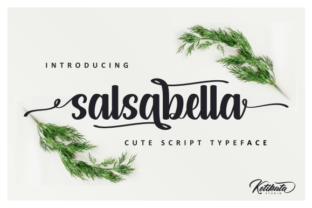
As web designers and digital creators, we constantly search for typefaces that balance personality with performance. Salsabella is a modern script font that bridges the gap between playful charm and professional elegance, making it a versatile asset for digital interfaces. Unlike traditional calligraphy fonts that can feel dated or overly formal on screens, Salsabella offers a contemporary aesthetic that resonates with current UI trends. Its unique characters and extensive stylistic alternates allow us to craft custom logotypes, engaging hero sections, and branded content without sacrificing the clean readability required for effective web experiences.
Elevating Visual Hierarchy in Digital Interfaces
In user interface design, typography does more than display text; it guides the user’s eye and establishes information priority. Salsabella functions exceptionally well as a display font within this hierarchy. When used in hero sections or primary headlines, its flowing forms create an immediate focal point that distinguishes key messaging from supporting body copy. This contrast is essential for conversion-focused layouts where users scan content rapidly. By utilizing Salsabella for high-value elements like value propositions or limited-time offers, designers can create a visual rhythm that feels organic rather than rigid.
The font’s inherent playfulness softens the often sterile nature of digital products. For SaaS platforms or tech startups, introducing a human touch through typography can reduce cognitive load and build emotional connection. However, restraint is key. Salsabella performs best when treated as a strategic accent rather than a workhorse. Using it sparingly ensures that when it does appear, it commands attention and reinforces the brand voice effectively across landing pages and app screens.
Leveraging Stylistic Alternates for Custom Branding
One of the most powerful features for web designers is Salsabella’s rich set of stylistic alternates. In an era where template fatigue is real, these alternates provide a mechanism for bespoke digital identity directly within the browser. Instead of relying on static images for logos or headers, we can utilize OpenType features to customize letterforms dynamically. This capability allows for unique wordmarks in navigation bars or footer signatures that maintain crisp resolution on all devices, including high-DPI retina displays.
- Custom Logotypes: Mix standard glyphs with swashes to create proprietary brand assets without vector editing software.
- Dynamic Headlines: Adjust terminal strokes in section titles to prevent awkward spacing or collisions in responsive containers.
- Signature Elements: Use alternate characters for email sign-offs or personal branding sections to enhance authenticity.
- Decorative Accents: Incorporate ornamental alternates as subtle background textures or dividers between content blocks.
These variations transform a standard premium font into a comprehensive design system component. For creative entrepreneurs and boutique online stores, this level of customization signals professionalism and attention to detail, directly influencing perceived brand value and trust.
Strategic Font Pairing for Readability and Balance
A script font like Salsabella requires a supportive partner to function effectively in web environments. The goal is to maximize legibility while allowing the script to shine. Pairing Salsabella with a neutral sans serif font, such as Inter, Roboto, or DM Sans, creates a harmonious balance ideal for modern web design. The geometric simplicity of a sans serif body font provides the necessary contrast to Salsabella’s organic curves, ensuring that long-form content remains accessible and easy to read.
For editorial websites or luxury e-commerce brands, pairing Salsabella with a refined serif font can evoke a sophisticated, magazine-like quality. This combination works particularly well for fashion portfolios, wedding planning sites, or artisanal product pages where storytelling is central to the user experience. The key is to maintain distinct roles: let Salsabella handle the emotional heavy lifting in headings and captions, while the secondary typeface manages functional communication, navigation labels, and detailed product descriptions.
Optimizing Script Fonts for Responsive Layouts
Implementing handwritten fonts on the web presents unique challenges regarding responsiveness and accessibility. Salsabella’s modern construction helps mitigate common issues, but deliberate CSS strategies are still necessary. On mobile devices, intricate scripts can become illegible if scaled too small. It is advisable to set minimum font sizes for Salsabella or switch to a simpler alternative for viewports under 480px. Fluid typography using clamp() functions ensures the font scales smoothly between breakpoints without breaking the layout or compromising clarity.
Contrast ratios are equally critical. While Salsabella looks stunning against dark backgrounds or image overlays, designers must verify WCAG compliance. Light-colored script on busy photography can vibrate visually, reducing comprehension. Applying subtle text shadows or semi-transparent backdrops behind Salsabella text improves legibility without obscuring the underlying imagery. Additionally, avoid using this decorative typeface for interactive elements like buttons or form inputs, where instant recognition is paramount. Reserve Salsabella for static display purposes to maintain usability standards.
Applications Across Digital Touchpoints
The versatility of Salsabella extends beyond standard website headers. Digital product creators can leverage this typeface across various assets to maintain consistent brand identity. For course sales pages, Salsabella adds warmth to testimonials and instructor bios, helping to humanize educational content. In social media graphics and digital ads, the font’s distinctive style increases stop-scroll potential, making promotional materials stand out in crowded feeds. Email marketers can use web-safe fallbacks alongside Salsabella webfonts to ensure campaign headers retain their character even if the custom font fails to load.
For online stores, Salsabella enhances the unboxing experience digitally. Using the font for category banners, sale announcements, and thank-you pages creates a cohesive narrative that mirrors physical packaging design. This consistency strengthens brand recall and elevates the overall customer journey. Whether designing a minimalist portfolio or a vibrant lifestyle blog, Salsabella adapts to different contexts while retaining its core personality, proving itself as a valuable tool in the modern designer’s toolkit.
Licensing and Technical Considerations for Web Use
Before integrating Salsabella into commercial projects, understanding licensing is non-negotiable. Webfont licenses typically differ from desktop licenses, covering specific pageviews or domains. Always verify that your license permits usage on client websites, digital templates, and embedded applications. Many foundries offer tiered pricing based on traffic volume, so selecting the appropriate tier prevents future compliance issues. For agencies managing multiple client sites, exploring multi-domain or agency-wide licenses can streamline workflow and reduce administrative overhead.
From a technical standpoint, optimize Salsabella webfont files for performance. Subsetting the font to include only necessary characters and language sets significantly reduces file size, improving Core Web Vitals scores. Preloading critical font resources prevents Flash of Invisible Text (FOIT) or Flash of Unstyled Text (FOUT), ensuring a smooth rendering experience. Check for multilingual support if designing for international audiences, as extended character sets ensure the brand voice remains consistent across different languages. By addressing these technical and legal foundations, designers can confidently deploy Salsabella as a reliable, high-impact element of their digital design strategy.